
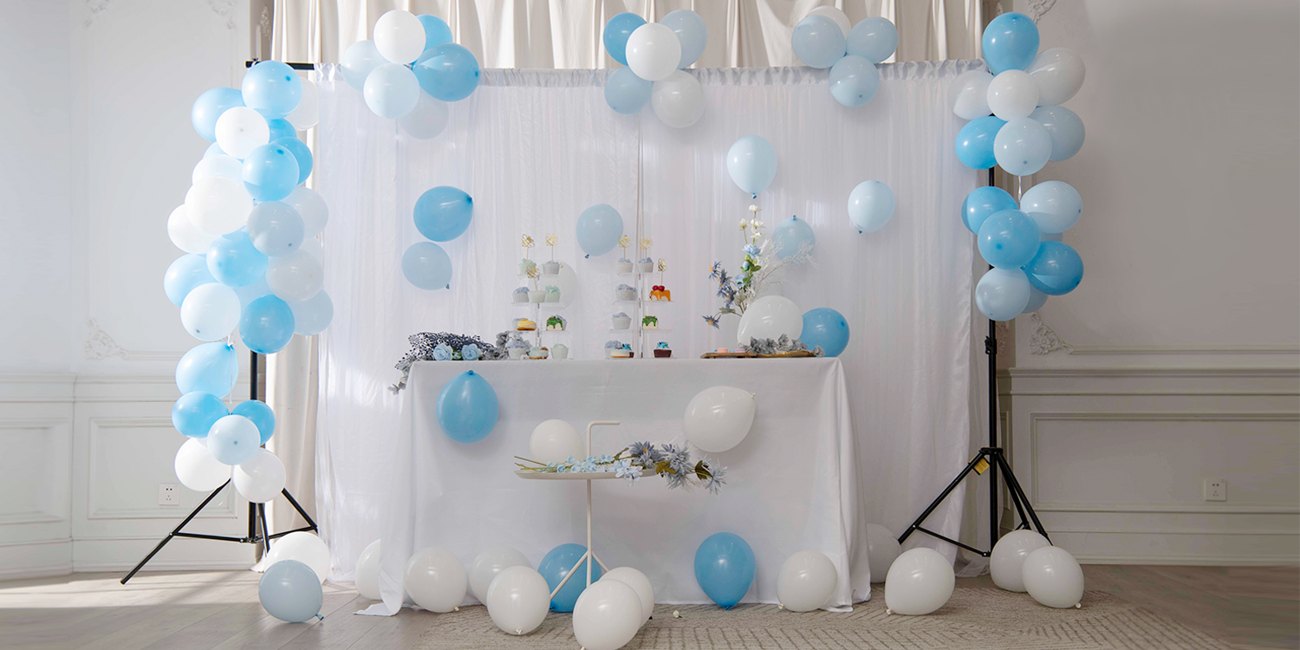
EMART builds the backdrop stands your background hangs on
We make the unglamorous half of a photograph: the stand holding the backdrop up, the column holding the lamp steady and the clamps keeping both honest. Pick the span first, the light second, and the shot takes care of itself.
- Working spans: from a tabletop frame to full pipe and drape
- Shelves: eight, from backdrop stands to event dressing
- Every page prints: span, working height and what is in the box
Start with the part that holds everything up
All shelves →Eight shelves, ordered the way a set gets built — frame, surface, light, then the small metal.
Pick by the shot you are making
Four jobs most of our customers are buying for, each with the shelf to start on.
Portraits and interviews
A seated subject needs about seven feet of working height; standing full-length frames want eight and a half or more.
Backdrop stands →Product and still life
A five-foot panel on a compact frame fits across a desk; add a softbox or umbrella kit to light it.
Softbox kits →Video and streaming
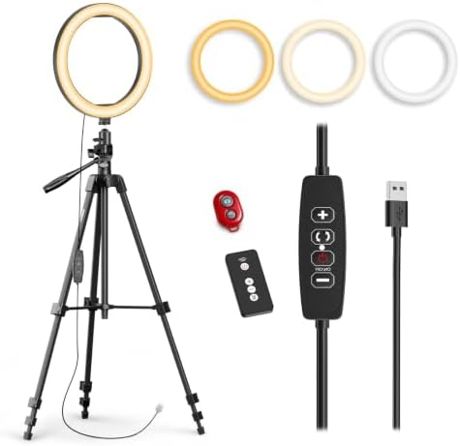
Continuous light lets you light by eye. Look for an adjustable colour range to match a window or a lamp.
Ring and video lights →Events and photo booths
Go wider than you think and accept the extra carry weight. Cloth on a frame gives more wall for the money.
Event and table dressing →
Moving fastest off the floor
View all kits →The frames and kits our customers come back for, ordered by how many people have reviewed them.
Look inside a shelf
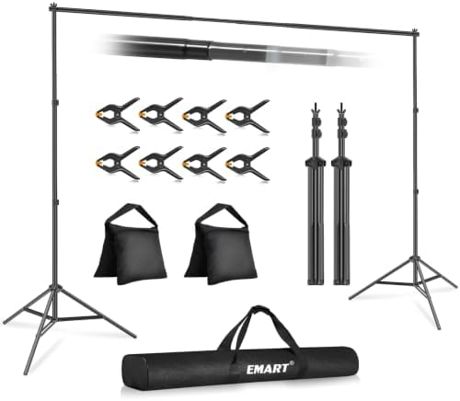
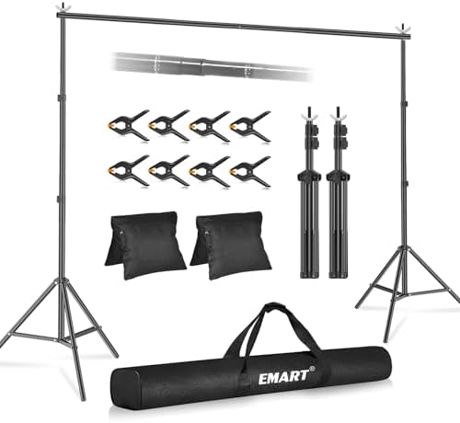
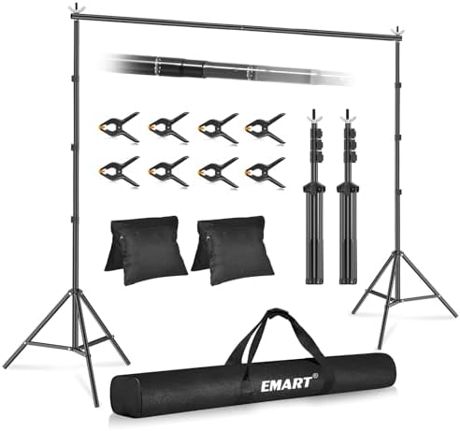
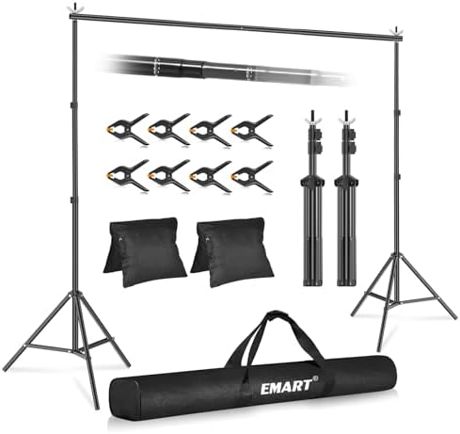
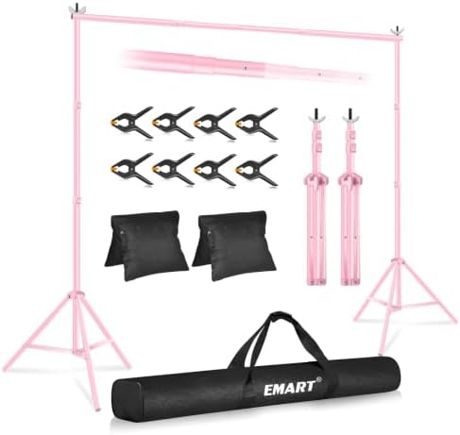
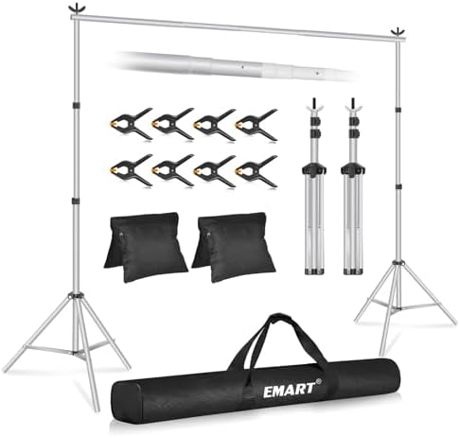
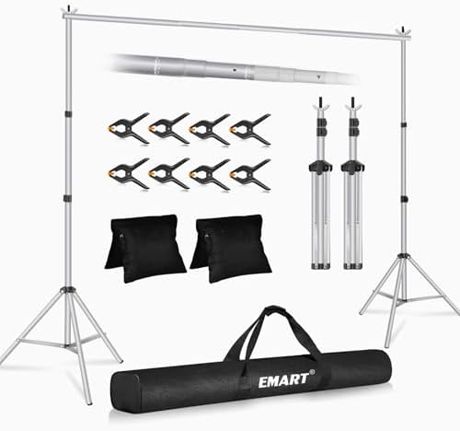
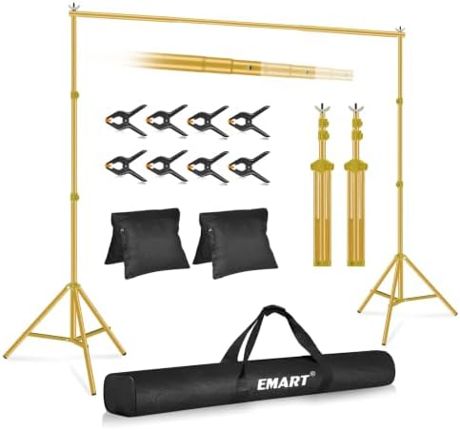
Every EMART set starts with the same question: what is holding the background up? These are our photography backdrop stands — single crossbar, double, triple, T-shape and full pipe and drape — sized by the width of background they carry.
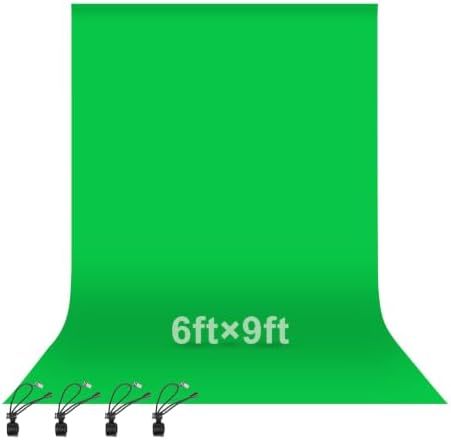
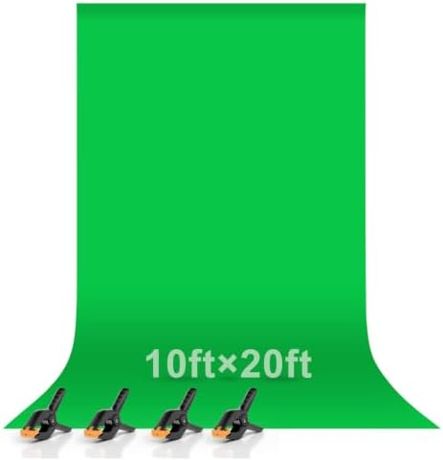
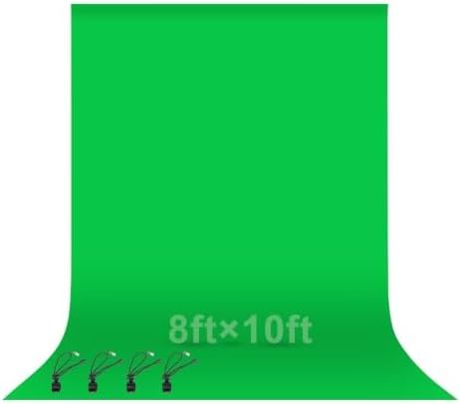
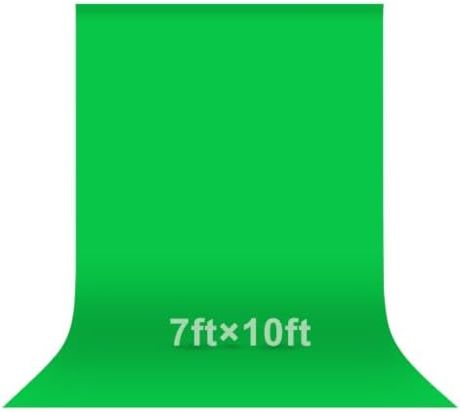
Chroma key panels, collapsible screens, washable polyester backdrops and tulle curtain sets from EMART — the fabric half of the set, cut to the span of our photography backdrop stands.
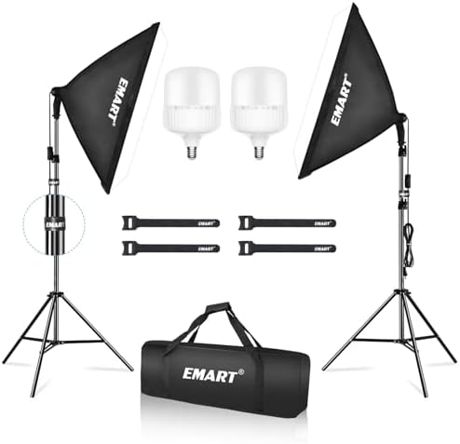
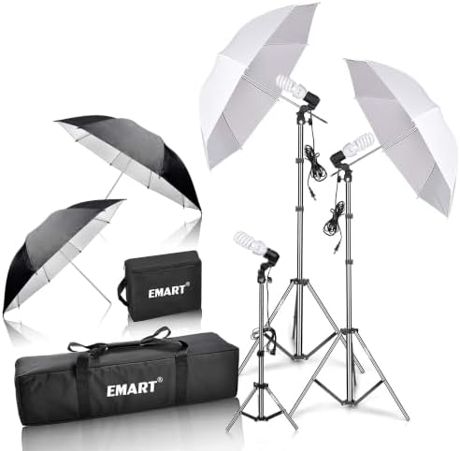
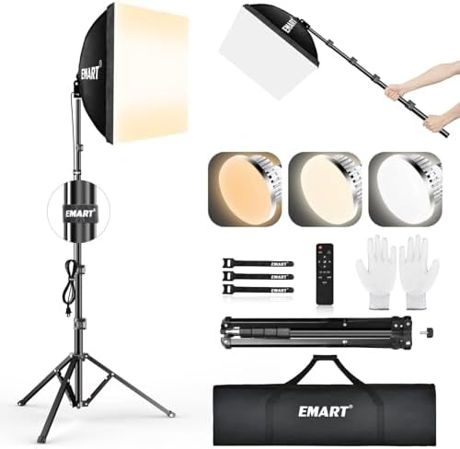
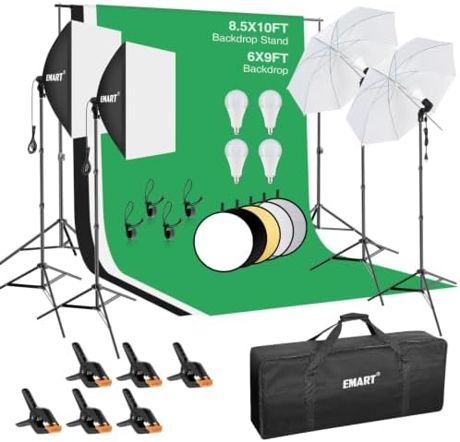
EMART softbox heads, continuous LED lamps and full two- and four-light kits with stands, grids and carry bags — the light that goes up next to a photography backdrop.
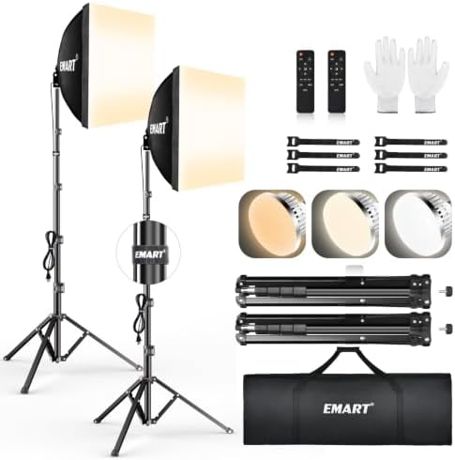
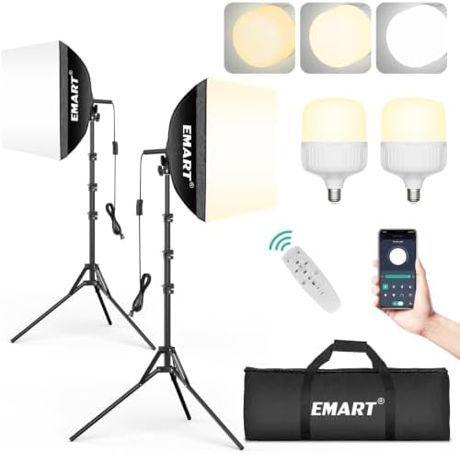
Shoot-through and reflective EMART umbrellas, translucent white and black-silver, sold as single heads and as full studio sets with the light stands photography needs.
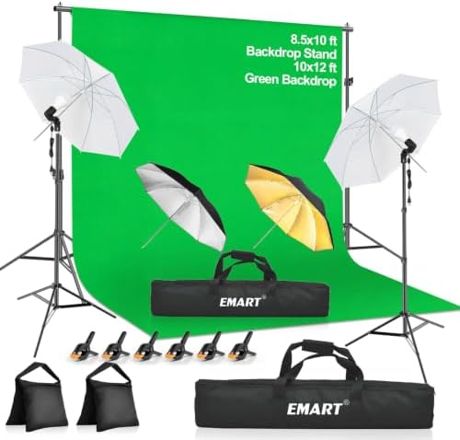
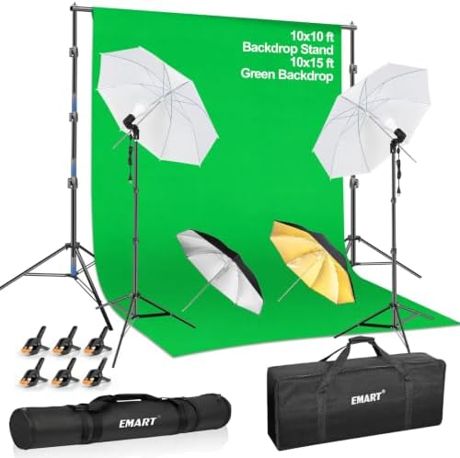
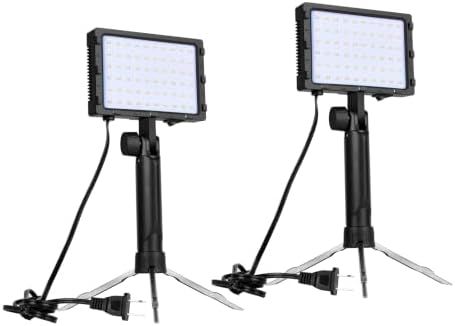
EMART ring lights with phone holders, bi-colour panel lights, barn-door kits and tabletop product lights, each with the stand it needs for photography and video.
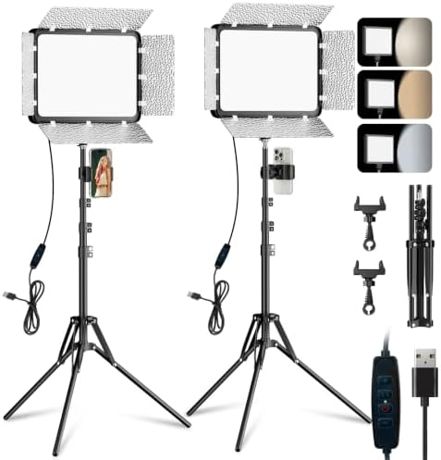
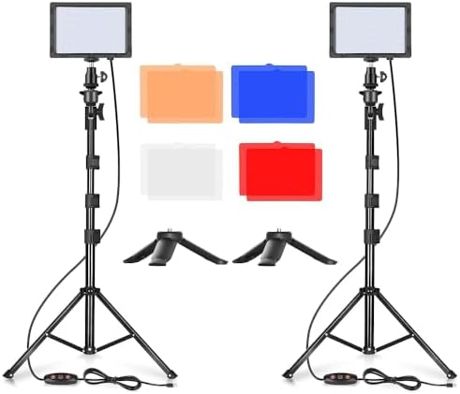
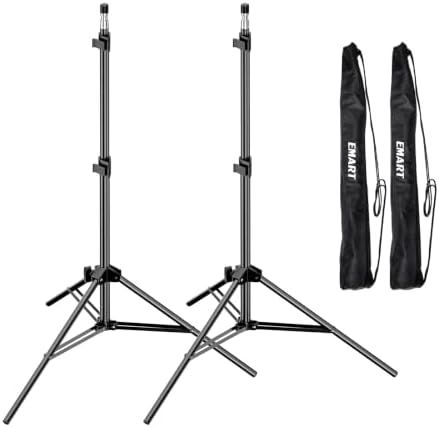
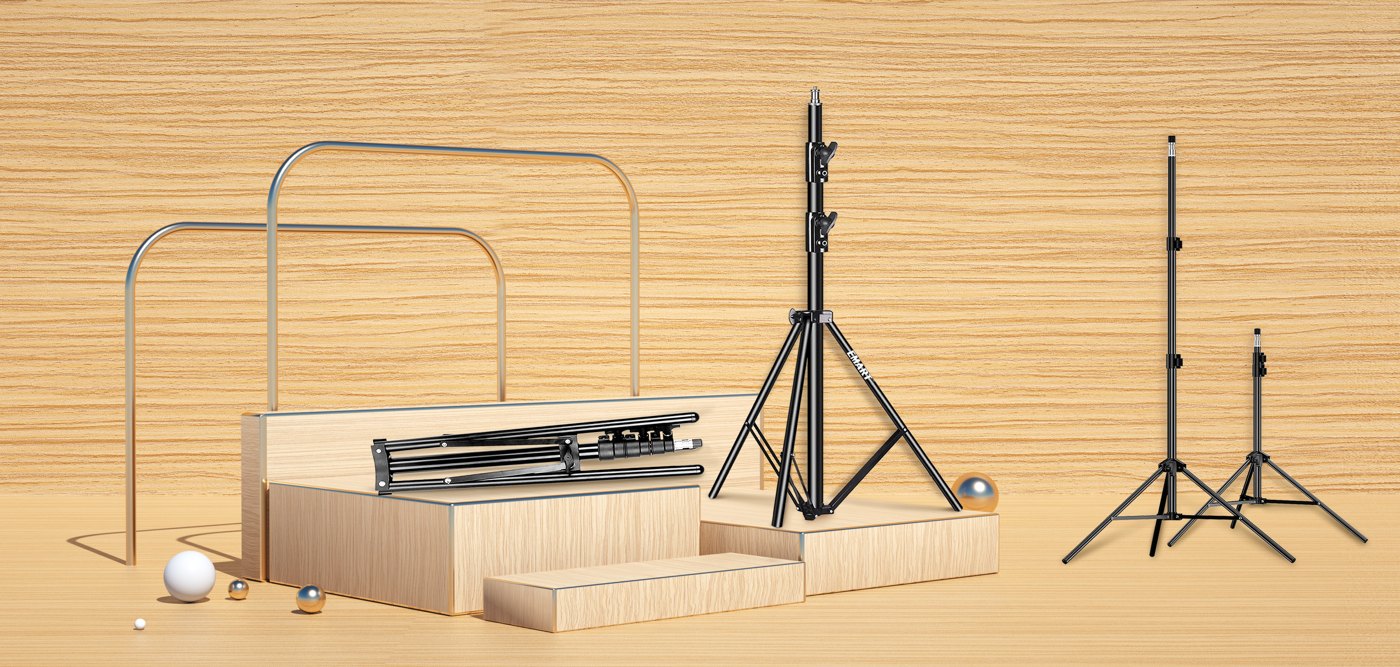
EMART spring-cushioned light stands, heavy-duty C-stands with boom arms, reverse-folding tripods and phone stands for photography on location.
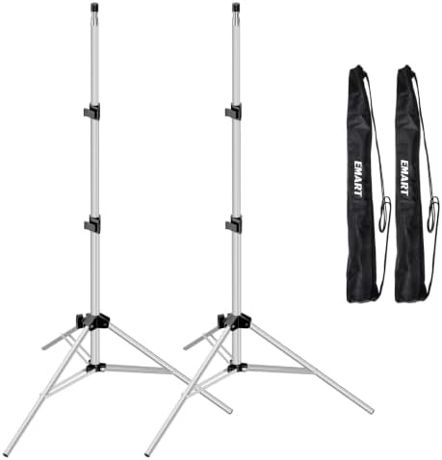
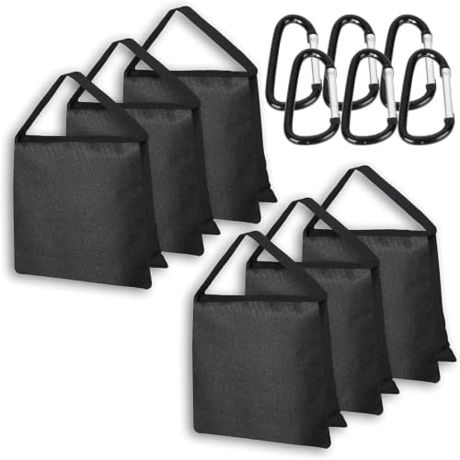
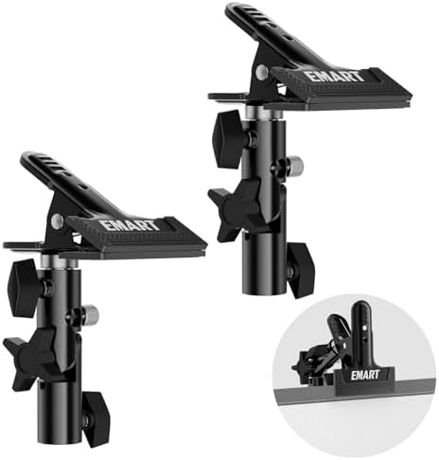
EMART overhead camera rigs, magic arms, super clamps, suction mounts, ball heads, sandbags and the small metal that holds a photography backdrop stand together.
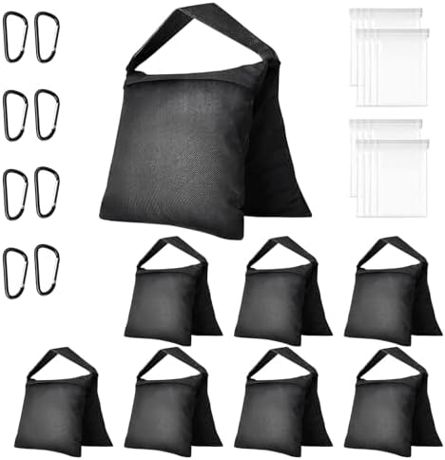
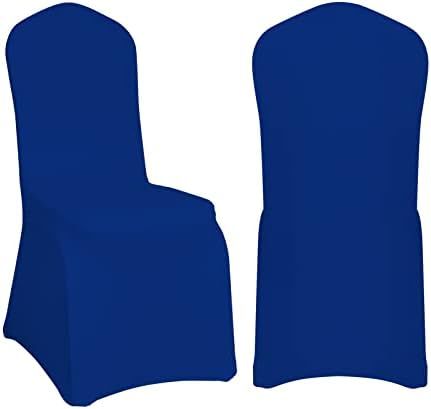
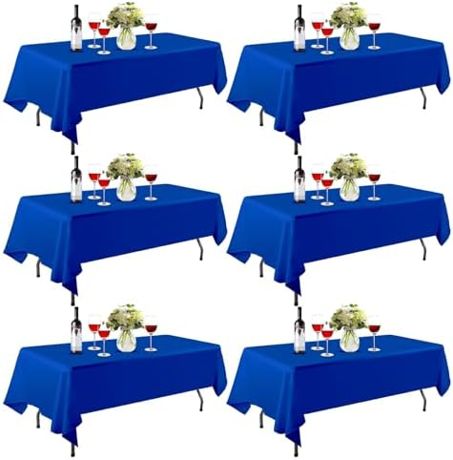
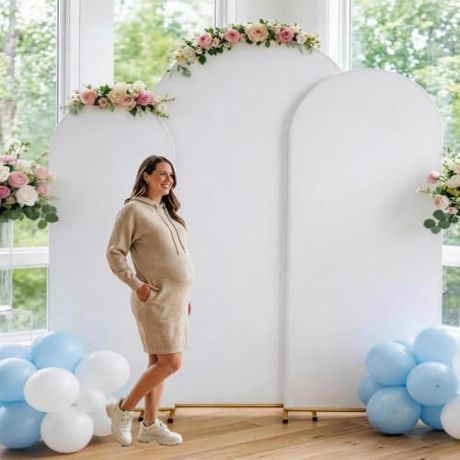
EMART wedding arch frames and stretch covers, welcome sign easels, round tablecloths, balloon sets and the backdrop stands that carry them.
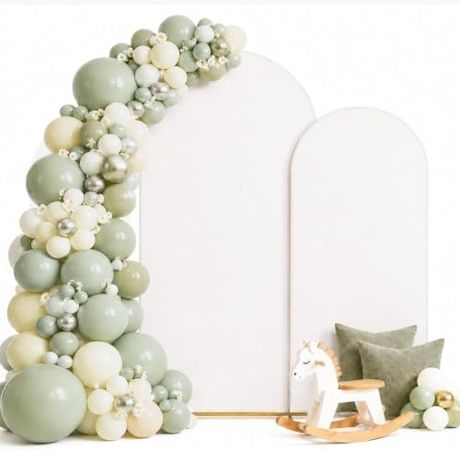
Two ways to hold a background up
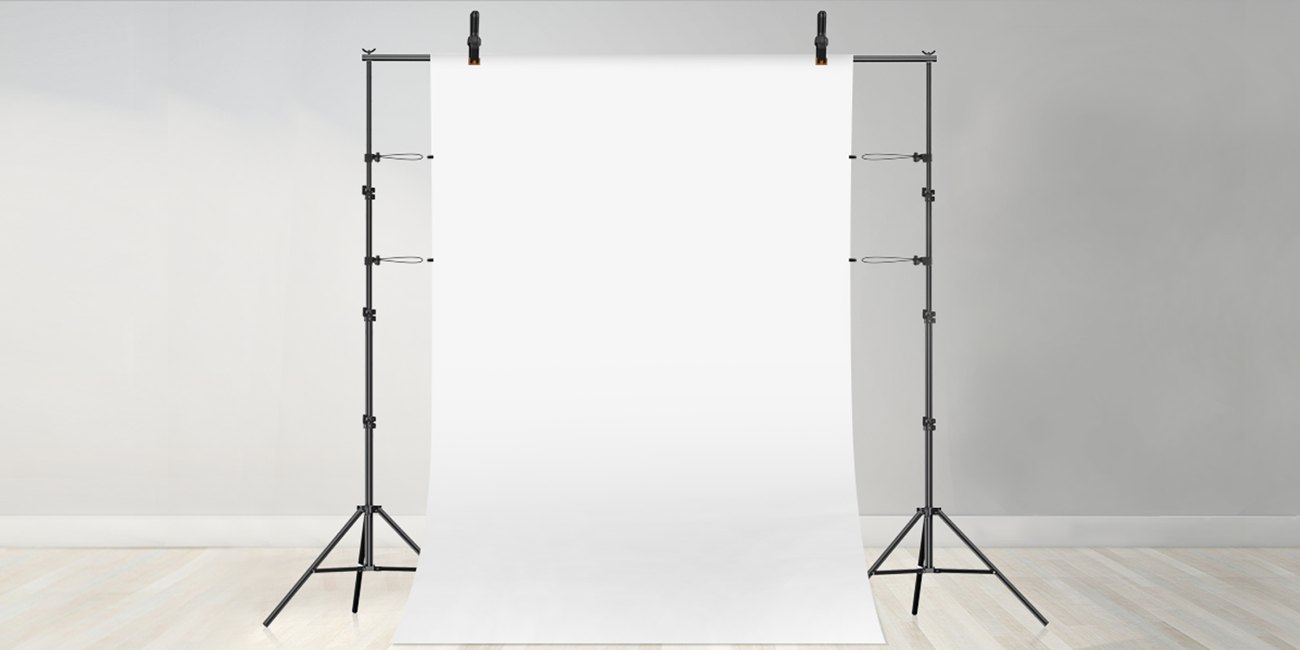
The crossbar is the whole argument
A single telescopic bar spans the wall behind a seated subject and goes up in minutes. A double or triple rig turns the same footprint into a layered set — drape at the back, sheer at the front, and room to light between them. Read the span before the price.
See the frames →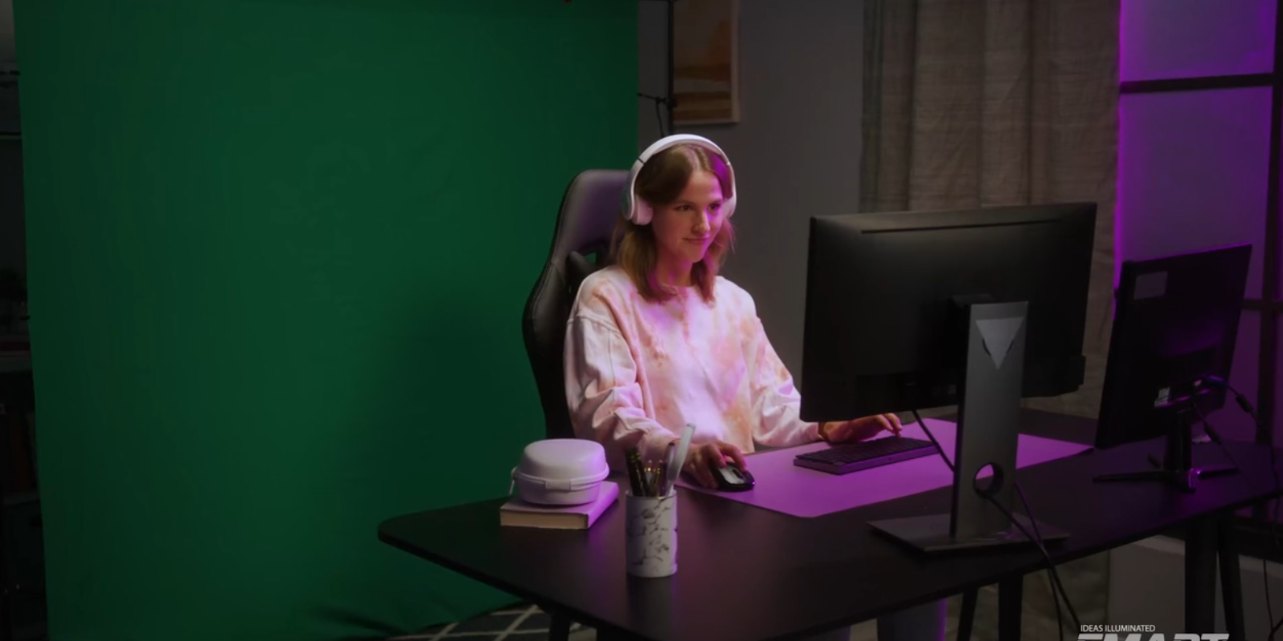
A flat surface beats a clever one
Collapsible chroma panels give you an even green or blue face in seconds and fold into a carry case the size of a laptop bag. Cloth on a frame gives you more wall for the same money. Both are here, with the sizes printed.
See the backdrops →Size cheat sheet
Read the full sizing note →The numbers that decide whether a stand fits the shot, taken from our own sizing notes.
| The shot | What the stand needs | Why |
|---|---|---|
| Five-foot panel across a desk | A compact frame closed down | Tabletop and still-life work |
| Ten-foot background | A frame fully expanded to ten feet | Portraits, interviews, one or two people |
| Seated portrait | About seven feet of working height | Keeps the top edge of the fabric out of shot |
| Standing, full length | Eight and a half feet or more | Fabric clears the head and the hem still reaches the floor |
What goes in the bag
A support system is three purchases pretending to be one. Check each before you leave.
- 1
Frame
Holds the height. Check span and working height on the page.
- 2
Surface
Muslin, polyester or a collapsible chroma panel: the part the camera sees.
- 3
Small metal
Clamps, clips, hooks and sandbags keep the first two from embarrassing you.
- 4
Weight at the feet
Sand or gravel in the bags once you are on site. Not optional.
- 5
Light
Softbox, umbrella or video light, with a stand matched to the lamp.
Notes from the floor
All four notes →Four long reads on sizing, mounting and storing a background — written for the half hour before the first frame.
Single, double and triple crossbar: choosing a photography backdrop stand
Three crossbars on a photography backdrop stand look like three prices. They are really three different jobs.
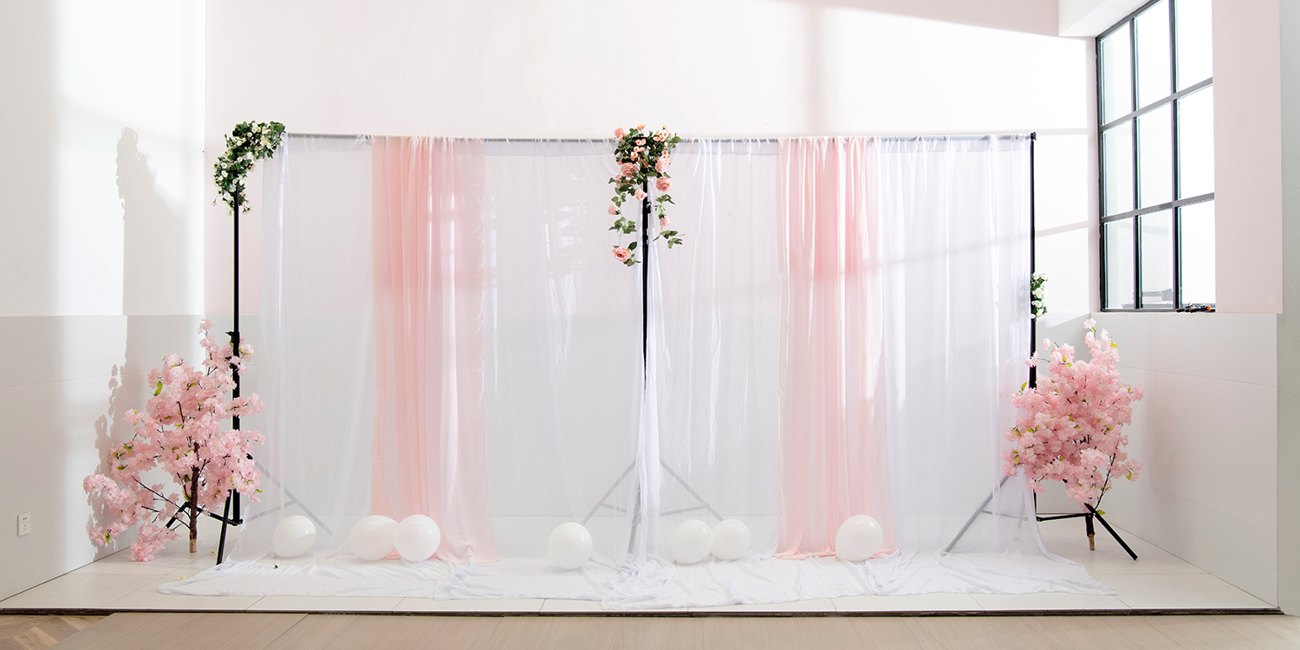
Backdrop size by shot: what fits a photography backdrop stand
A backdrop a foot too small for the photography backdrop stand is one you spend the whole shoot composing around.
How to mount and support a photography backdrop stand
A photography backdrop stand, a wall mount and a ceiling rail all hold fabric up. They do not hold it still in the same way.
What crews said after the shoot
Six reviews, left on our own listing by verified buyers in the United States and reproduced word for word.
- WiskarJuly 16, 20265.0
Easy to set up and surprisingly sturdy for the price
I bought this stand for family photos and small event setups, and it has worked well so far. Assembly is straightforward and does not require any tools. The adjustable width and height make it flexible for different backdrops, and the included clamps hold the material securely without damaging it. The stand is lightweight…
Wiskar reviewed this in Backdrop Stands - Deb MSeptember 11, 20205.0
This thing is amazeballs! Seriously, just buy this, it was designed really well!
I have purchased quite a few green screens in my life. I have had multiple very large cloth green screens and the stick on the back of your chair green screen. This green screen blows them away. It can be assembled with a single person and it looks super professional. While most pop-up banners are awkward and difficult to…
Deb M reviewed this in Green Screen & Backdrops - D.C.September 4, 20265.0
So many options & easily transportable
Great soft filtered light for portrait photography. This exact light ( actually there are 2 in this package!) was used during a review 40th wedding anniversary for everyone to have their portraits taken. Two lights used, one on each side! They are very user friendly and the setup was quick & easy. Nothing complicated! There is…
D.C. reviewed this in Softbox Lighting Kits - JohnApril 1, 20215.0
Great Value, does the Job. High quality.
Everything arrived in good condition, well packed. Assembly was very easy despite the directions being of almost no value. So strait forward that no printed directions needed. All pieces seemed to be of high quality and substantial Assembled all the pieces and took a few initial learning shots. Very favorable. I recommend this…
John reviewed this in Umbrella Lighting Kits - Troy JohnsonJanuary 20, 20225.0
I may be an amateur, but I do know these lights are great!
I’ve had these for a while but didn’t want to review them until I got some use out of them. I love them! I take photos at times of projects I do or make videos for one reason or another. The truth is the difference between good and great is the lighting. These are durable and do everything I want and more. I took one and…
Troy Johnson reviewed this in Ring & Video Lights - ibshoppingFebruary 12, 20265.0
A supportive photo/video accessory!
The EMART 8.5FT green screen holder is lightweight and easy to assemble, but sturdy enough to support my 4.5 x 6.5 green/blue screen during virtual meetings or photography sessions. As mentioned in someone else's review, this isn't ideal for windy outdoor photo shoots. However, it works really well for indoor photo sessions or…
ibshopping reviewed this in Light Stands & Tripods
How to choose a photography backdrop stand
A photography backdrop stand is two uprights and a crossbar, and almost everything that goes wrong on a shoot goes wrong inside that sentence. The crossbar sags in the middle and a shadow seam appears behind the subject's head. The base is too narrow, somebody brushes past and the whole background support walks out of frame. The height stops short, the fabric pools on the floor and the hem turns up in every full-length photograph you take that day. None of this is exotic; all of it is predictable, and all of it is decided before you buy, by the size of the frame and the weight of the thing you hang on it.
So we print the numbers that decide it. Every stand on this site carries its working span, its maximum working height and its rated load, read straight off our own listing rather than rounded up for the photograph. If a figure is missing from a page it is because the listing does not state it, not because it flatters us to leave it out.
What size backdrop stand do you need?
Start with the background, not the stand. A ten-foot-wide background needs a support system that opens to ten feet, and a frame that opens wider than the fabric gives you somewhere to clamp without stretching the corners. For portraits of one or two people, a span around that width is plenty of wall; for group shots, photo booths and event walls, go wider than you think and accept the extra carry weight.
Then look up. Seated portraits need roughly seven feet of working height to keep the top edge of the fabric out of shot. Standing, full-length frames want eight and a half feet or more, so the background clears the subject's head while the hem still reaches the floor. A stand that only just clears the subject will clear nothing once you tilt the crossbar or raise the whole background after they sit down, which is exactly when you need the slack.
Frame, surface and the small metal
A support system is three purchases pretending to be one. The frame holds the height. The surface — muslin, polyester, a collapsible chroma panel, paper on a roller — is what the camera actually sees. The clamps, clips, hooks and sandbags are what keep the first two from embarrassing you. Kits on this site bundle them because buying the frame alone is the most common way to arrive on location and find you cannot hang anything.
Weight at the feet is not optional. A backdrop stand is light because it has to travel; what makes it stable is sand, gravel or soil in the bags once you are on site. Fully extended, carrying a heavy drape, or standing anywhere people move, a weighted base is the difference between a set and an incident. For permanent corners, a wall mount or a roller support takes the frame out of the floor plan altogether.
Light the background separately
Once the frame is up, the background becomes a second subject with its own exposure. Softbox and umbrella kits here ship as complete sets — heads, columns, diffusion and a carry case — so you are not matching colour temperatures between two shopping trips. Two heads cover a portrait: a key at forty-five degrees and a fill pulled back on the opposite side. A third head on the background is what separates a portrait from a passport photograph.
For video, continuous light wins, because you light by eye instead of by test frame. Ring and panel lights with an adjustable colour range let you match a window at one end of the day and a practical lamp at the other, which is the single most useful control on a cheap head. Match the stand to the lamp while you are there: columns with spring cushioning protect the head when a section slips, and a tripod base stops the whole thing walking.
What a background stand is actually made of
A support stand is a few tubes, a few collars and one fitting, and every argument about quality lives in those three. Aluminum alloy keeps a frame portable and is the popular choice for gear that travels; heavy metal gives enhanced stability and is the professional answer where a rig stays put. Durability is in the locking collar and the top of the tube rather than in the finish — the excellent design is the one that still assembles quickly after a year of being thrown in a car. A standard mounting thread is essential, because it lets a crossbar from one kit assemble onto uprights from another, and it takes a tripod head or a light without needing an adaptor. Spread the legs to their stops, position the base so nobody kicks a foot, and keep the heavy part of the load over it.
Which surface you hang is a separate choice from which background stand you hang it on, and that is the point of buying a frame rather than a set. A seamless white sweep, a black drape, a muslin cloth and a green panel all fit the same bar. One frame fully expanded will accommodate a ten-foot background; closed, it will suit a five-foot panel across a desk. That is what lets a single stand serve types of work that look unrelated — portraits, recorded interviews, pet photography, product photo work, weddings and the booth people queue at. Leave a little extra width so an additional panel or a prop can go in, keep the subject a step forward of the cloth, and roll fabric rather than fold it so a wrinkle never has to be planned around. In general, a pro kit is not a powerful one; it is the one you can create a set with in two hands.
Portable, collapsible and durable are not the same word
Portable describes the carry case. Collapsible describes how small the frame gets. Durable describes whether it survives being carried badly by somebody in a hurry. Aluminium alloy frames travel well and cost less; steel and stainless parts survive more handling and weigh what they weigh. A wrinkle-resistant weave saves you a steamer at six in the morning; a washable surface saves the shot after a drink gets spilled at a wedding.
Pick for the job you actually do most often. A compact frame that lives in the boot of the car and goes up on location every week earns its keep more than the big rig that stays in the bag because it takes two people to raise. We would rather you bought the smaller frame and used it.
Questions we get at the counter
How tall should a backdrop stand be?
For a seated portrait, working height of about seven feet keeps the top edge of the background out of frame. For standing, full-length shots, plan on eight and a half feet or more, so the fabric clears the subject's head and the hem still reaches the floor without pooling. Every frame in this section prints its own height, so read that figure rather than guessing from the photograph.
What backdrop is best for keying out a background?
An even, matte green or blue panel lit flat, with the subject far enough forward that no colour spills onto their shoulders. Green suits most skin tones and daylight; blue holds up better under warm light and against blonde hair. A collapsible panel gives you an even surface in seconds; a cloth on a frame gives you more width for the same money.
How many heads does a starter studio need?
Two will take you further than you expect: one key at forty-five degrees to the subject, one fill on the opposite side, pulled back and lower. A third head on the background is what separates a portrait from a passport photograph. Kits in this section are sold as complete sets so you are not matching colour temperatures between two shopping trips.
What is the difference between a shoot-through and a reflective umbrella?
A shoot-through umbrella is translucent: the lamp fires through the fabric, giving broad, wrapping light that spills everywhere, which is forgiving in a small room. A reflective umbrella has an opaque back: the lamp fires into it and bounces, which is more directional and more efficient. Most kits here give you both so you can test the difference in your own space.
What size ring light is right for a phone?
For talking-head video at arm's length, a ring in the ten-to-twelve-inch range gives a clean catchlight without filling the whole desk. Smaller rings travel better and suit close product work; larger ones soften the shadow under the chin. Every ring in this section prints its own diameter and the height of the stand it ships with.
What is the difference between a light stand and a tripod?
A light stand carries weight straight down a single column and is built to go high cheaply. A tripod is built to hold something still and level, with a head that aims it. Columns with spring cushioning protect the lamp when a section drops; a tripod base keeps a frame from walking when somebody brushes past it.
What do the clamps and clips actually hold?
Background fabric to a crossbar, mostly — that is the job they are bought for. They also hold reflectors to stands, cable out of shot, and the corner of a panel that refuses to hang flat. A set of spring clamps is the least glamorous thing in the case and the first thing you reach for.
How is an event backdrop different from a studio one?
Scale and audience. A studio background has to be invisible; an event background is part of the decoration and gets photographed by everybody in the room. That means wider frames, fabric that reads well under phone cameras, and a base solid enough to stand in a corridor of moving guests.